Frequently Asked Questions
What specialist is best for back pain?
The specialist best for back pain is: a multidisciplinary team—start with your primary care or a spine specialist (physiatrist, orthopedic or neurosurgeon) and non-surgical providers like chiropractors and physical therapists.
What treatment is best for lower back pain?
The best treatment for lower back pain is: a personalized, non-surgical plan combining early diagnosis, targeted physical therapy, chiropractic care, and interventions like trigger-point injections as needed, emphasizing activity modification and gradual rehabilitation.
Which specialist is best for lower back pain?
The best specialist for lower back pain is often an interdisciplinary team; begin with your primary care physician or a spine specialist (physiatrist or orthopedic surgeon) who can coordinate physical therapy, chiropractic care, and pain-management options.
How do I know if my lower back pain is serious?
Determining if your lower back pain is serious involves: severe or worsening pain, leg weakness or numbness, loss of bowel/bladder control, high fever, recent trauma, or pain that doesn't improve after a few weeks—seek prompt medical evaluation.
What pain relief is best for severe back pain?
The best pain relief for severe back pain is a personalized, non-surgical plan combining early medical evaluation, targeted physical therapy, chiropractic care, and procedures like trigger-point injections when appropriate, alongside short-term medications for symptom control.
What is back pain that moves around and comes and goes?
Back pain that moves around and comes and goes is intermittent, caused by muscle spasms, trigger points, referred pain or nerve irritation (radiculopathy), and can reflect joint or disc issues; medical evaluation helps identify the cause and guide non‑surgical treatment.
Which treatment is better for back pain?
The best treatment for back pain depends on the cause and patient needs; Modern Movement Medicine favors individualized, non-surgical care—combining physical therapy, chiropractic adjustments, and targeted injections—to address underlying problems and restore function.
What causes lower back pain just above the buttocks?
Lower back pain just above the buttocks is often caused by lumbar muscle strain, sacroiliac joint dysfunction, facet joint arthritis, herniated or degenerative lumbar discs, or referred sciatica or piriformis syndrome; evaluation guides non-surgical treatment.
What are the symptoms of serious back pain?
The symptoms of serious back pain are: severe or worsening pain, numbness or weakness in the legs, loss of bowel or bladder control, fever or unexplained weight loss, pain after trauma, or progressive neurological deficits; seek urgent medical evaluation.
What causes recurring back pain?
The causes of recurring back pain include muscle strain, degenerative discs or herniation, nerve compression (sciatica), poor posture and biomechanics, repetitive or sports injuries, arthritis, weakness or deconditioning, and untreated underlying conditions that require medical evaluation.
How can I relieve severe back pain?
Relieving severe back pain requires a medical evaluation and non-surgical, drug-free, interdisciplinary care: physical therapy, chiropractic adjustments, targeted trigger-point injections, activity modification and personalized rehab — seek early diagnosis and schedule a clinic consult for a tailored plan.
What is the best treatment for my back?
The best treatment for my back is: a personalized diagnosis-based plan, often using non-surgical care such as physical therapy, chiropractic adjustments, targeted trigger-point injections, and rehabilitation tailored to the specific cause.
Which doctor treats lower back pain best?
The doctor who treats lower back pain best is often a non-surgical specialist—such as a physiatrist or pain‑management physician—working within a multidisciplinary team including chiropractors and physical therapists for conservative, personalized care.
What are the signs of serious back issues?
The signs of serious back issues are: severe or progressive leg weakness or numbness, saddle anesthesia, loss of bowel or bladder control, persistent fever or unexplained weight loss, unrelenting night pain, recent major trauma, or inability to walk—seek urgent evaluation.
When should I see a doctor for back pain?
When to see a doctor for back pain: Seek care for severe/worsening pain, leg weakness or numbness, bowel/bladder changes, fever, recent major trauma, unexplained weight loss or cancer risk, or pain persisting beyond 4–6 weeks despite conservative treatment.
What causes sudden back pain?
The causes of sudden back pain include: muscle or ligament strain, herniated or bulging disc compressing nerves (sciatica), acute joint dysfunction, fracture or degenerative flare, and less commonly infection or inflammatory conditions.
How can I manage my back pain naturally?
Natural back pain management focuses on non-surgical, drug-free strategies: regular strengthening/stretching, posture and ergonomic changes, weight control, physical therapy and chiropractic care, manual therapies, heat/ice, activity modification, and early professional assessment for personalized treatment.
What are the best exercises for back pain?
The best exercises for back pain are: gentle core-strengthening (planks, dead bugs), low-impact aerobic activities (walking, swimming), targeted stretches for hamstrings and hip flexors, and guided physical therapy to ensure safe progression.
What causes back pain near the hips?
Back pain near the hips is often caused by muscle strain, sacroiliac joint dysfunction, hip osteoarthritis, herniated lumbar discs or sciatica, and referred pain from hip problems—evaluation helps determine appropriate non-surgical treatment.
What are the benefits of chiropractic care?
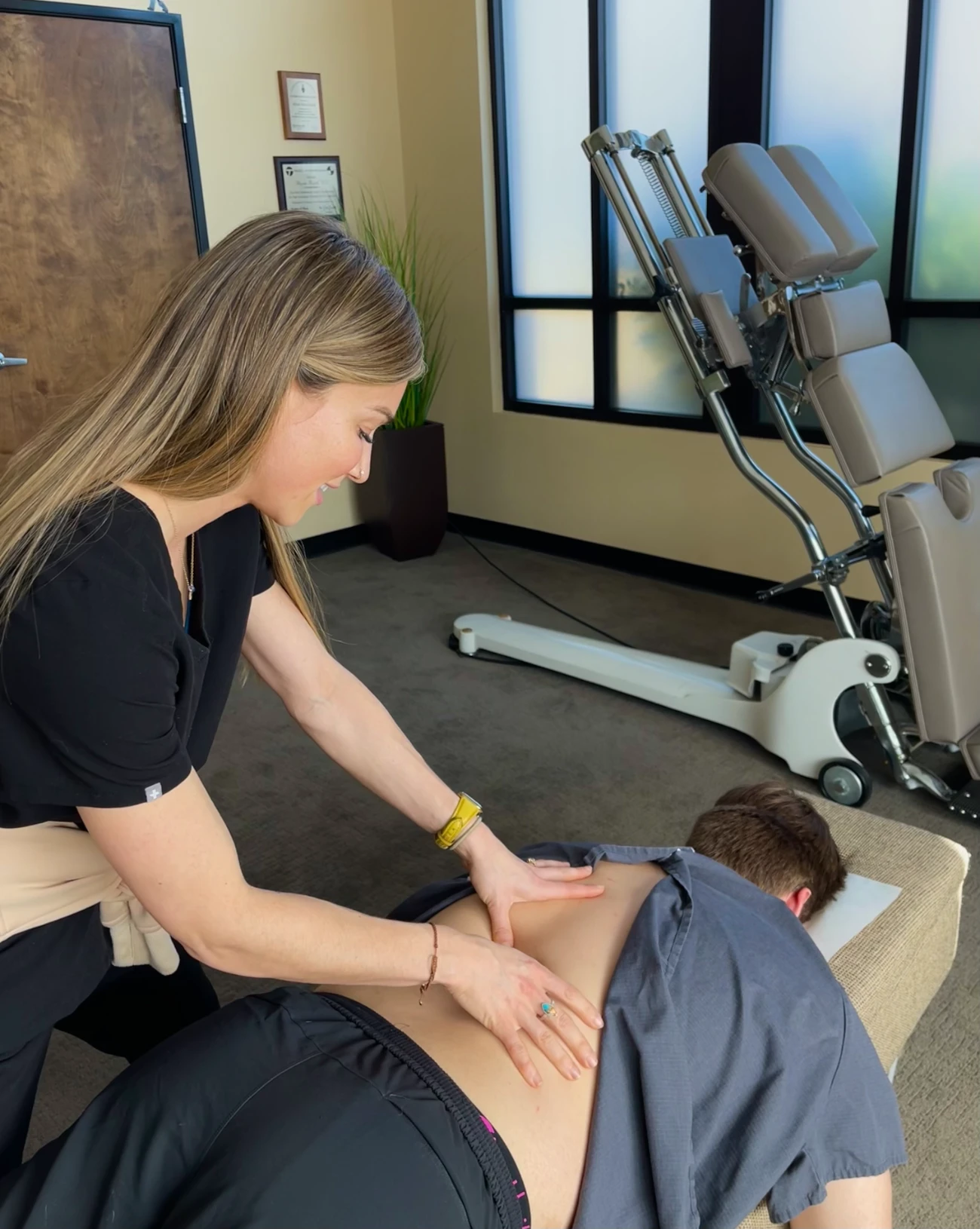
The benefits of chiropractic care are: drug-free pain relief, improved spine mobility and posture, faster recovery from back pain, reduced nerve irritation (e.g., sciatica), improved function for daily activities and sports, and prevention of future injuries.
How to find back pain relief options?
Finding back pain relief options involves a medical exam and early diagnosis, discussing symptom history, and exploring interdisciplinary, non-surgical treatments—physical therapy, chiropractic adjustments, trigger-point injections—and personalized care plans; contact Modern Movement Medicine to schedule an evaluation.
What are non-surgical back pain solutions?
Non-surgical back pain solutions are: interdisciplinary, drug-free treatments such as chiropractic adjustments, physical therapy and exercise, manual therapy and mobilization, spinal decompression, trigger point injections, posture/ergonomic coaching, and targeted rehabilitation to reduce pain and restore function.
What causes back discomfort above buttocks?
Back discomfort above the buttocks is commonly caused by muscle strain, sacroiliac joint dysfunction, lumbar disc problems (herniation or degeneration), facet joint arthritis, sciatica, or referred pain from pelvic/hip conditions; poor posture and overuse often contribute.
What medical conditions cause back pain?
Medical conditions that cause back pain include herniated or degenerative discs, sciatica, spinal stenosis, osteoarthritis, muscle or ligament strains, sacroiliac dysfunction, compression fractures, inflammatory conditions (e.g., ankylosing spondylitis), infections, and tumors.
What is sciatica and how is it treated?
Sciatica is nerve pain from compression or irritation of the sciatic nerve, causing low back, buttock, or leg pain; treatment focuses on non‑surgical care — physical therapy, chiropractic adjustments, targeted injections, activity modification, and referral for surgery only if needed.
When is back pain an emergency?
Back pain is an emergency when it follows trauma, causes sudden leg weakness or numbness, loss of bladder/bowel control, high fever, severe unrelenting pain, or rapidly worsening neurological symptoms—seek immediate medical care.
What specialist treats spinal stenosis?
Specialists who treat spinal stenosis include physiatrists (PM&R), pain-management physicians, orthopedic spine surgeons or neurosurgeons, chiropractors, and physical therapists; surgery is considered for severe cases.
How to choose the right back doctor?
Choosing the right back doctor involves: verifying credentials and spine-specialty training, prioritizing non‑surgical/interdisciplinary care (chiropractic, physical therapy), confirming diagnostic skills and personalized plans, checking patient reviews and appointment convenience.
What is physical therapy for back pain?
Physical therapy for back pain is: a non-surgical, individualized program of movement, manual therapy, strengthening, flexibility, posture training, and education, as part of interdisciplinary care to reduce pain, restore function, and prevent recurrence.
Where can I get back pain treatment?
Where to get back pain treatment: At Modern Movement Medicine in Wilsonville, OR, offering non-surgical, interdisciplinary care—chiropractic, physical therapy, and trigger-point injections; contact the clinic to schedule a personalized evaluation.